
Compare Local Contractors for Professional Pool Fencing Services
Compare local contractors for pool fencing to define project scope, verify experience, and set clear expectations in writing for a successful installation.
Pool fencing services typically include the installation, repair, and replacement of barriers designed to enclose residential or commercial swimming pools. These projects often involve selecting appropriate fencing materials, ensuring proper height and secure gates, and adhering to safety standards or local regulations. Contractors may also handle custom features such as gates with self-closing mechanisms or decorative elements that match the property's aesthetic. Clarifying the scope of work early on helps property owners understand what’s included, whether it’s just the fence installation or additional components like post-setting or removal of existing fencing.
Defining the scope of pool fencing work is essential to set clear expectations and avoid misunderstandings. Property owners should specify details such as the type of fencing material preferred, the total length of fencing needed, any specific design features, and whether additional tasks like site preparation or cleanup are required. Having this information in writing ensures that both parties are aligned on the project’s boundaries, which can help prevent scope creep and facilitate smoother communication throughout the process. Clear scope definitions also make it easier to compare estimates and evaluate which local contractors have experience with similar projects.
When comparing local contractors for pool fencing, property owners should consider factors beyond just availability or reputation. It’s important to verify each service provider’s experience with similar fencing projects, including the types of materials used and the complexity of installations they have handled. Reviewing portfolios, asking for references, or seeking examples of completed work can provide insight into their capabilities. Additionally, clarifying the scope of work in writing, including materials, design details, and responsibilities, helps ensure transparency. This approach allows property owners to make informed decisions based on the contractor’s expertise and how well their services align with the specific needs of the property.
Compare local contractors by outlining your project priorities, verifying experience, and setting clear expectations in writing.
- Compare Contractor Credentials - review the experience and reputation of local service providers to ensure quality workmanship.
- Define Project Scope Clearly - establish detailed expectations and specifications before work begins.
- Verify Experience and References - seek out contractors with relevant experience and check references to confirm reliability.
- Document Agreements in Writing - create a detailed contract outlining scope, materials, and responsibilities to set clear expectations.
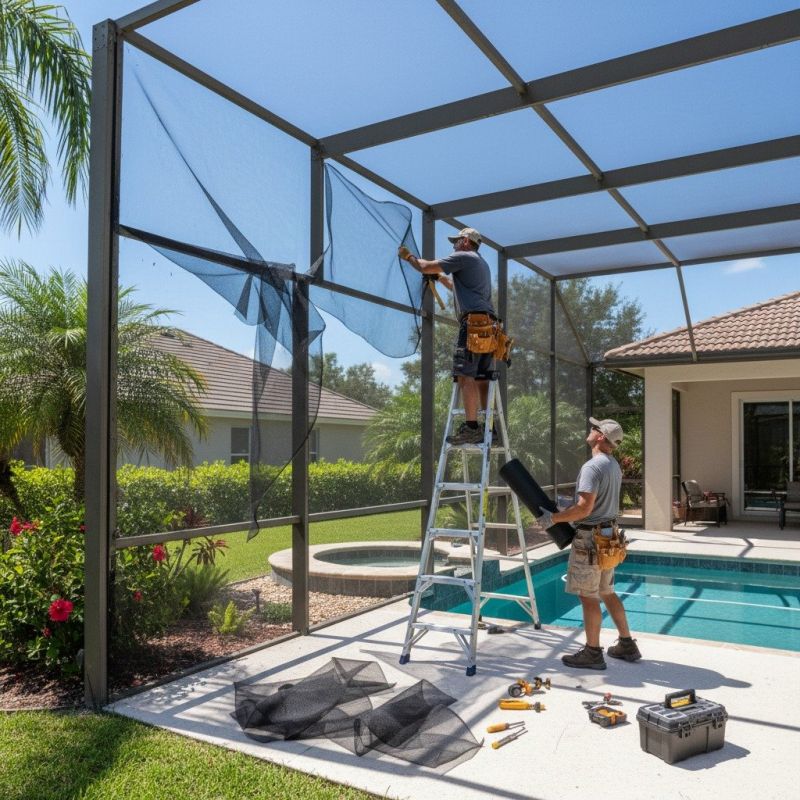
Clearly describe your pool fencing project to effectively compare local contractors, verify their experience, and establish written expectations.
- Verify the contractor’s experience with installing pool fencing to ensure familiarity with local regulations and best practices. - Review the scope of work to confirm it covers all necessary fencing materials, heights, and gate requirements.
- Check references or reviews to assess the quality of previous pool fencing projects completed by the contractor. - Ensure the contractor provides detailed written estimates that outline materials, scope, and responsibilities.
- Confirm that the contractor understands and can meet specific safety standards and local code requirements for pool fencing. - Discuss the project timeline and milestones to align expectations and prevent misunderstandings.
- Ensure the scope of work includes site preparation, installation, and cleanup to avoid additional charges or surprises. - Clarify warranty or guarantee policies for the workmanship and materials used in the fencing.
Compare local contractors' experience and clarify project scope to ensure expectations are aligned.

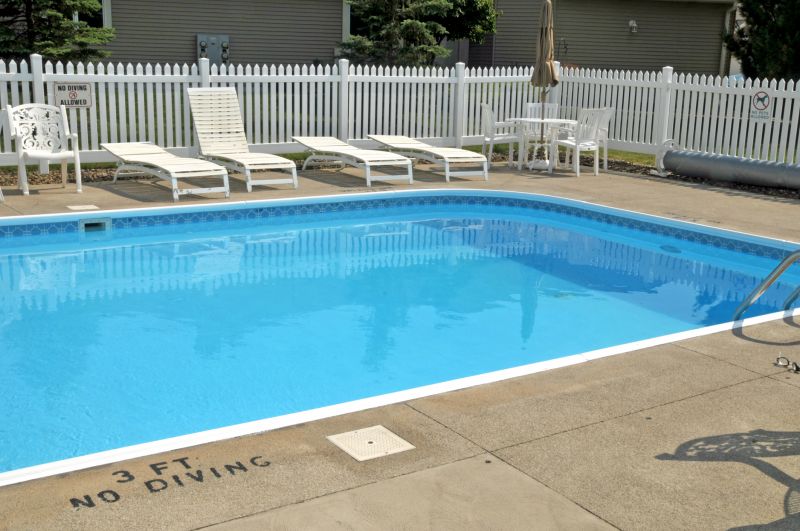
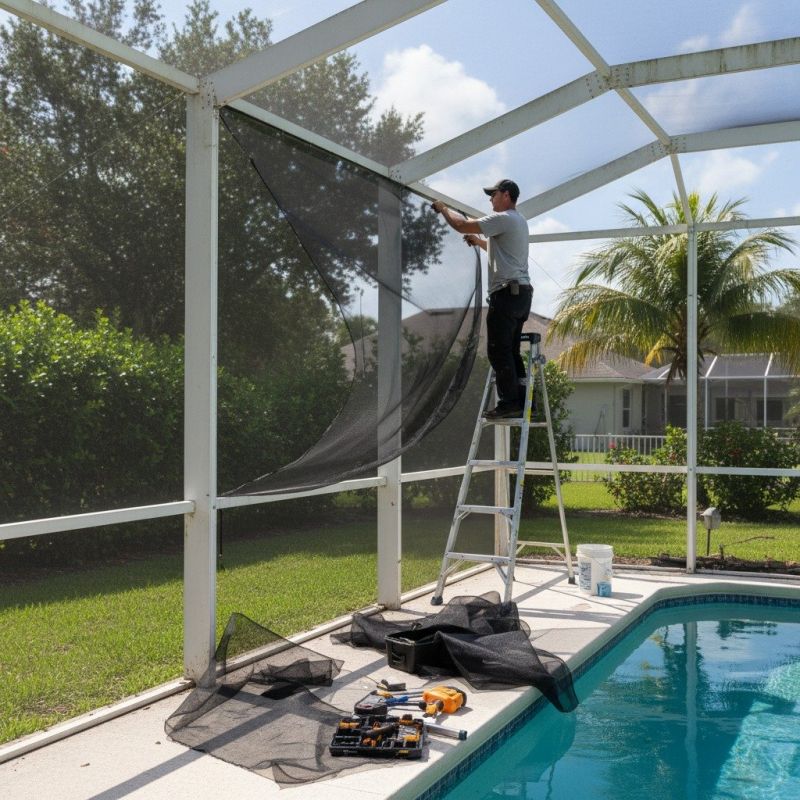
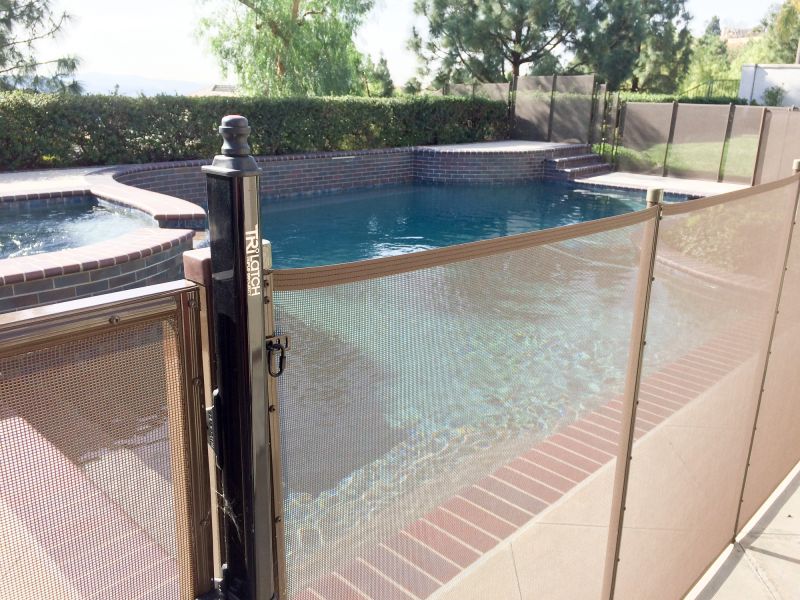
This section guides comparing local contractors for pool fencing by clarifying scope, verifying experience, and setting clear expectations in writing.
- Define fencing materials and design requirements - specify the type, height, and style of pool fencing suitable for the property.
- Identify local contractors with relevant experience - verify that service providers have a proven track record in installing pool fences.
- Outline scope of work and installation details - clearly describe the extent of fencing, gates, and any additional features needed.
- Establish project expectations in writing - document all specifications, responsibilities, and standards to ensure clarity with local contractors.
- Compare multiple service providers and review proposals - evaluate different local pros based on scope, experience, and proposed approach.
When comparing contractors for pool fencing, it’s important to assess their experience with similar projects. Service providers who have handled a variety of pool fencing installations can often demonstrate familiarity with different materials, styles, and site conditions. Inquiring about their past work can help determine if they have the practical knowledge needed to address specific challenges that might arise during installation. A contractor’s history with comparable projects provides insight into their ability to deliver results that meet safety standards and aesthetic expectations.
A clear, written scope of work is essential for establishing mutual understanding before the project begins. This document should outline the specific tasks involved, the materials to be used, and the overall responsibilities of the service provider. Having a detailed scope helps prevent misunderstandings and ensures that both parties are aligned on the project’s expectations. It also serves as a reference point throughout the process, making it easier to track progress and address any discrepancies that may emerge.
Verification basics are key when evaluating potential contractors. While licensing and certification are not the focus, it’s still wise to verify their reputation through references or reviews from previous clients. Asking about their experience with similar projects can reveal their level of expertise and reliability. Additionally, confirming that they follow industry best practices and adhere to safety guidelines can provide a level of confidence that the installation will be handled professionally and responsibly.
Evaluating options without considering prices involves focusing on the quality of the service providers’ offerings and their approach to the project. Consider how well each contractor communicates, the clarity of their scope, and their demonstrated experience. Comparing the details of their proposals, such as materials, installation methods, and timelines, can help identify which service providers are thorough and attentive to client needs. This approach ensures that the decision is based on expertise, professionalism, and compatibility with the project’s requirements, rather than cost alone.
Ask contractors to provide written scope details to ensure clear expectations and consistent project understanding.
- Scope of Work - What specific fencing materials and features do local contractors include in their scope?
- Experience and Expertise - How do local service providers demonstrate their experience with pool fencing projects?
- Warranty and Guarantees - What written assurances do contractors offer regarding the quality and durability of their work?
- Project Expectations - How do local contractors clarify the scope, materials, and installation process in their proposals?
- Comparison Factors - What criteria should be used to compare the scope and services offered by different local pool fencing contractors?
How can I compare pool fencing contractors effectively? To compare local contractors, review their experience, request detailed scope of work, and verify their reputation through references or reviews. Ensuring clarity in what each contractor offers helps identify the best fit for the project.
What should I look for when defining the scope of a pool fencing project? Clearly outline the fencing material, height, gate requirements, and any additional features. Providing detailed specifications helps contractors provide accurate proposals and ensures the project meets expectations.
How can I verify a contractor’s experience with pool fencing installations? Ask for examples of previous work, inquire about the types of fencing they have installed, and seek references from past clients. This information can indicate their familiarity with the specific requirements of pool fencing projects.
Why is it important to get written estimates and scope agreements? Written documents help prevent misunderstandings, specify project details, and establish clear expectations. Comparing these documents across contractors ensures consistency and transparency in the project scope.
What questions should I ask a contractor before hiring for pool fencing? Inquire about their experience, materials used, installation process, and warranty policies. Asking these questions helps assess their expertise and ensures they understand the specific needs of pool fencing projects.
How can I ensure the contractor I choose is reliable and reputable? Check references, review past work, and verify their reputation through online reviews or local directories. A contractor with a solid track record is more likely to deliver satisfactory results.
This overview highlights the importance of selecting qualified local contractors for pool fencing projects. Visitors learned how to compare options by defining the scope of work, verifying experience, and ensuring that all details are clearly outlined in writing. Making informed choices involves understanding what to look for in a service provider to help meet specific needs and expectations.
Using the quote form provides a straightforward way to connect with local contractors who can handle pool fencing jobs. It offers an opportunity to gather information, compare different service providers, and find options that align with individual project requirements. Taking the next step through this form can facilitate finding the right local professionals for the job.